Headache Relief: 12 Simple Ways to Ease Head Pain
A headache can make it difficult to work, concentrate, or enjoy your day. For many people, headache relief starts with simple steps such as drinking water, resting in a quiet room, eating a regular meal, or using an appropriate over-the-counter pain reliever. The best approach depends on the type of headache, its possible trigger, and your overall health.
Most occasional headaches are not caused by a serious condition. However, a sudden or unusually severe headache can require emergency medical attention. Here are practical ways to ease common head pain, understand possible causes, and recognize when to contact a healthcare professional.
How to Get Rid of a Headache at Home
If your headache feels mild or similar to headaches you have experienced before, a few simple changes may help. Try these steps and pay attention to whether your symptoms improve.
- Drink Enough Water Dehydration is a common cause of headaches. Drink a glass of water as soon as you notice symptoms, and continue sipping throughout the day. If you have been exercising, sweating, or spending time in hot weather, you may need extra fluids. Electrolyte drinks may help if you have been ill or sweating heavily, but plain water is usually enough.
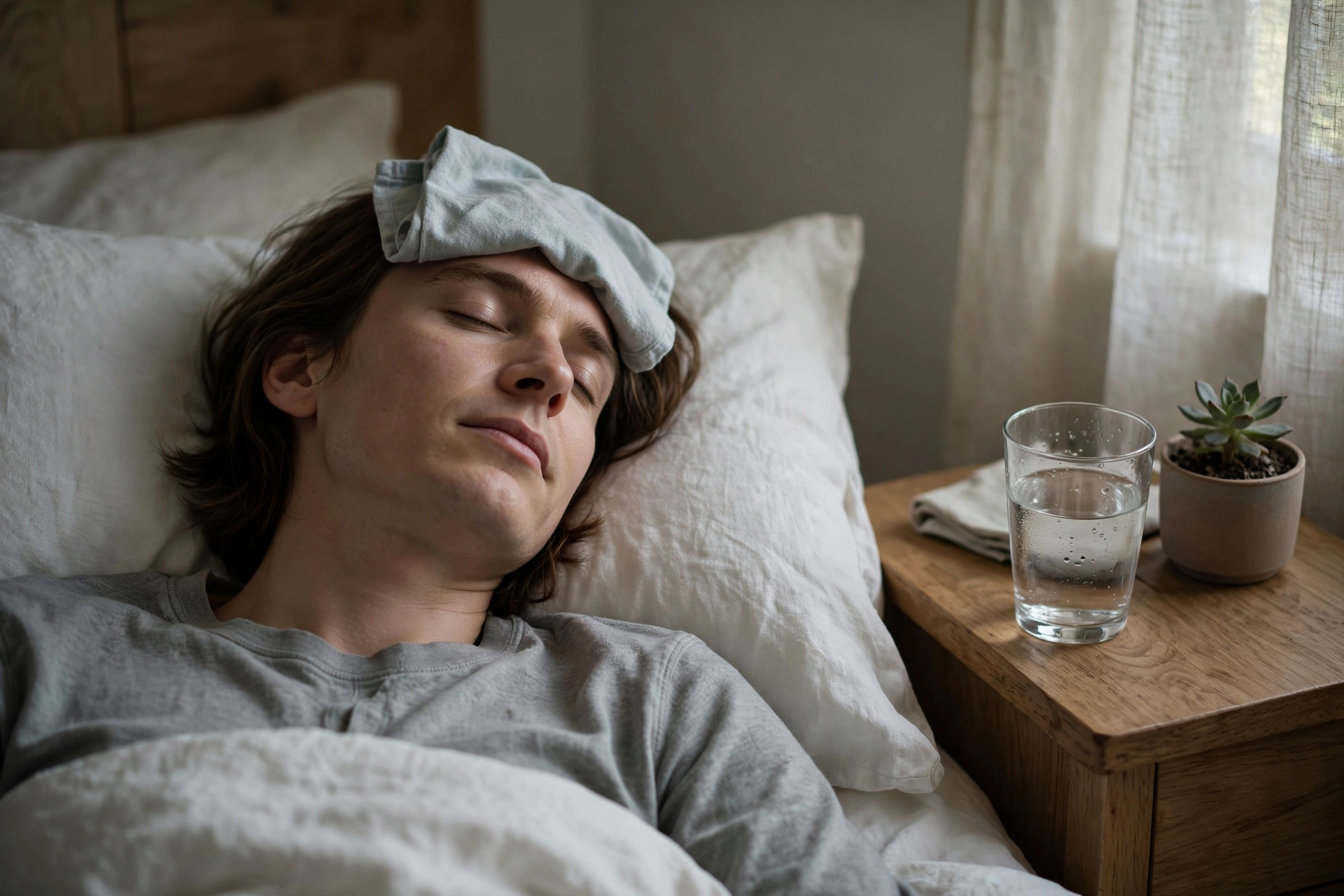
- Rest in a Quiet, Dark Room Bright lights, loud sounds, and busy surroundings can make some headaches feel worse, particularly migraines. Move to a quiet room, lower the lights, and give yourself time to rest. If possible, take a short break from work, screens, and other activities that increase discomfort.
- Try a Cold or Warm Compress A cold compress can help with migraines and throbbing pain, while a warm compress may help with tension headaches and muscle tightness. Place a cold pack, a bag of frozen peas wrapped in a towel, or a warm towel on your forehead, neck, or shoulders for 15 to 20 minutes. Avoid applying ice directly to the skin.
- Eat a Regular Meal Skipping meals can trigger or worsen headaches in some people. This may happen when you go too long without eating or have an irregular eating schedule. Try a balanced meal or snack containing protein, healthy fats, and carbohydrates. Examples include:
- Whole-grain toast with eggs
- Greek yogurt with fruit
- Oatmeal with nuts
- A banana with peanut butter
Regular meals may help reduce headaches associated with missed meals.
- Reduce Screen Time Long periods of screen use can contribute to eye strain, poor posture, and discomfort around the head and neck. If you work on a computer, take regular breaks. Adjust screen brightness, increase text size when needed, and position your monitor at a comfortable height. If headaches regularly occur after reading or using digital devices, consider scheduling an eye examination.
- Relax Your Neck and Shoulders Muscle tension and stress can contribute to tension-type headaches. Gentle neck and shoulder movements may help if tight muscles are part of the problem. Try slow shoulder rolls, gentle stretching, or a light massage. Avoid forceful neck movements, especially if you have an injury or unexplained pain.
If the pain does not improve, becomes worse, or is different from your usual headaches, seek medical advice.
What Helps With Headaches? Treatment Options
The right treatment depends on the cause and severity of your symptoms. Some people improve with home care, while others may need medication or a medical evaluation.
Over-the-Counter Pain Relievers
Common nonprescription options in the United States include:
- Acetaminophen (Tylenol): Used for temporary relief of mild to moderate pain.
- Ibuprofen (Advil, Motrin): A nonsteroidal anti-inflammatory drug, or NSAID, that reduces pain and swelling.
- Naproxen sodium (Aleve): An NSAID that can provide longer-lasting pain relief than acetaminophen for some people.
Always follow the product label and use the lowest effective dose for the shortest necessary time. NSAIDs may not be appropriate for people with certain kidney problems, stomach ulcers, bleeding risks, or other medical conditions. Acetaminophen also requires caution, particularly for people with liver disease or those who drink substantial amounts of alcohol.
Ask a healthcare professional or pharmacist which option is appropriate if you are pregnant, take other medications, have a chronic health condition, or are unsure what to use. Children and teenagers need age-appropriate guidance.
When Medication May Not Be the Best Solution
Nonprescription pain relievers are not appropriate for everyone. People with liver or kidney disease, stomach ulcers, bleeding disorders, or heart conditions should discuss options with a healthcare professional before taking them. The same caution applies if you are pregnant, breastfeeding, or taking other medicines, because some pain relievers can interact with them. If pain relievers are needed regularly, keep a simple record of how often you use them and discuss this with a healthcare professional, as this may be a sign of medication overuse headaches.
Common Types of Headaches and Their Symptoms
Understanding the type of headache you may be experiencing can help you decide what to do next. However, symptoms alone cannot confirm a diagnosis.
Tension Headaches
Tension headaches are commonly described as pressure or tightness around the forehead, temples, or back of the head. Some people also experience tenderness in their neck and shoulder muscles. Possible triggers include stress, poor sleep, muscle tension, and long periods in one position.
Migraine Headaches
Migraines can cause moderate to severe throbbing pain, often on one side of the head. They may also involve nausea, vomiting, or sensitivity to light and sound. Some people experience visual or sensory changes known as an aura before or during a migraine. Migraine symptoms and duration vary from person to person.
Cluster Headaches
Cluster headaches are less common but can cause extremely severe pain, often around or behind one eye. They may occur in repeated attacks over a period of time. Symptoms can include a watery eye, a blocked or runny nose, or restlessness on the affected side. Suspected cluster headaches need medical evaluation because specific treatments are available.
Sinus-Related Head Pain
Sinus-related head pain often occurs with a cold, flu, or allergy flare. It may feel like pressure around the forehead, cheeks, or nose. It can improve as congestion improves. Worsening facial pain, fever, or symptoms that last longer than expected should be evaluated.
Other types, such as rebound headaches caused by using pain relievers too frequently, and dehydration headaches, may improve by addressing the underlying cause.
Common Causes of Headaches
Headaches can have more than one cause. Common causes include:
- Dehydration: Not drinking enough fluids, especially in hot weather or after physical activity.
- Stress: Mental or emotional stress can increase muscle tension and contribute to headaches.
- Poor sleep: Too little sleep, poor sleep quality, or an irregular sleep schedule.
- Missed meals: Long gaps between meals or low blood sugar.
- Caffeine changes: Consuming too much caffeine or suddenly reducing caffeine intake.
- Eye strain: Extended reading, computer work, or screen use without breaks.
- Posture: Slouching, looking down at a phone, or sitting at a desk for long periods.
- Illness: Colds, flu, infections, or sinus problems.
- Medication overuse: Using pain relievers more frequently than recommended.
A headache diary can help identify your triggers. Note when headaches occur, what you were doing, and what you ate or drank.
How to Get Rid of a Headache Fast
If you need relief quickly, try the following steps in order. They focus on hydration, rest, and reducing common triggers:
- Drink a glass of water, especially if you have not had enough fluids.
- Rest in a quiet, dark room for 15 to 30 minutes.
- Take a dose of a nonprescription pain reliever if it is safe for you and you follow the label instructions.
- Place a cool cloth or ice pack on your forehead or neck.
- Eat a small snack or meal if you have not eaten recently.
- Step away from screens and bright lights.
If symptoms remain severe, worsen, or do not improve, seek medical advice. Fast relief steps may ease symptoms, but they are not a substitute for medical care when warning signs are present.
Natural Remedies for Headaches
Some nonmedication approaches may help reduce discomfort or support headache prevention. Their effectiveness varies depending on the person and the type of headache.
Gentle Exercise
Regular physical activity can support general health and may help some people manage stress-related headaches. Walking, stretching, and other low-impact activities are good options when you feel well enough. Avoid exercise during a severe or unusual headache, particularly if physical activity triggers or worsens the pain.
Relaxation and Deep Breathing
Stress management may help people whose headaches are associated with tension or emotional pressure. Try slow breathing, meditation, or a few minutes of quiet relaxation. Consistent practice may be more useful than relying on relaxation techniques only after pain begins.
Consistent Sleep Habits
Going to bed and waking up at different times every day may affect headache patterns. Aim for a consistent sleep schedule and create a comfortable sleeping environment. Avoid excessive screen use close to bedtime if it interferes with your sleep.
Limit Personal Triggers
Certain foods, drinks, smells, or environmental conditions may trigger headaches in some individuals. However, triggers are not the same for everyone. Use a headache diary to identify patterns before removing foods or making major lifestyle changes.
How to Prevent Frequent Headaches
While not every headache can be prevented, healthy habits can reduce how often they occur and how severe they feel.
- Drink fluids throughout the day and avoid long gaps without water.
- Eat meals at regular times and avoid skipping meals when possible.
- Maintain a consistent sleep schedule and get enough sleep each night.
- Take regular breaks from screens and bright lights, especially during long work sessions.
- Keep your neck and shoulders relaxed and maintain good posture while working.
- Exercise regularly at a level that suits your health and fitness.
- Manage stress with relaxation techniques, planned breaks, or activities you enjoy.
- Track recurring headaches in a simple diary, noting possible triggers, timing, and severity.
- Avoid relying on pain relievers more often than the label directs.
If headaches continue despite these habits, talk to a healthcare professional about further evaluation and treatment options.
When Should You Seek Medical Help for a Headache?
Most occasional headaches are not dangerous and can be managed at home. However, some headaches require immediate attention.
Call 911 or your local emergency number if you experience a sudden, severe headache or symptoms such as weakness, trouble speaking, vision loss, confusion, or loss of consciousness.
- A sudden, extremely severe headache, especially one that reaches maximum intensity within minutes.
- A headache after a head injury.
- Weakness, numbness, trouble speaking, vision changes, confusion, or difficulty walking.
- Fever, a stiff neck, a rash, vomiting, or sensitivity to light.
- A headache that is different from your usual pattern, keeps getting worse, or does not improve with appropriate treatment.
- A headache that wakes you from sleep or is severe when you wake in the morning.
Contact a healthcare professional promptly if your headaches are becoming more frequent, progressively worsening, different from your usual pattern, or not improving with appropriate treatment. Do not delay emergency care while trying home remedies if serious warning signs are present.
Frequently Asked Questions
Rest in a quiet, dark room, drink water, and reduce screen time. If it is safe for you, a nonprescription pain reliever may help. Seek medical advice if the pain is severe, sudden, or accompanied by warning signs.
There is no single best remedy for everyone. Rest, hydration, and a cold or warm compress help many people. The most effective approach depends on the cause of the headache.
Common nonprescription options include acetaminophen and nonsteroidal anti-inflammatory drugs such as ibuprofen and naproxen sodium. The safest choice depends on your health conditions and other medications, so follow the label and discuss options with a pharmacist or healthcare professional if you are unsure.
Yes. Dehydration can cause headaches, especially after sweating, illness, vomiting, or not drinking enough fluids. Drinking water regularly throughout the day may help prevent this type of headache.
Recurring headaches may be related to stress, poor sleep, dehydration, skipping meals, screen strain, poor posture, or medication overuse. Keeping a headache diary can help you and a healthcare professional identify patterns and possible triggers.
Seek emergency care for a sudden, severe headache, headache after a head injury, or headache with weakness, trouble speaking, vision changes, confusion, fever, or a stiff neck. Do not wait to see whether home remedies work if these warning signs are present.
Conclusion
Finding effective headache relief starts with understanding what may be causing the pain. Hydration, regular meals, sufficient sleep, screen breaks, and a quiet place to rest can help with many common headaches. Appropriate over-the-counter medication may provide additional relief when used safely.
However, frequent, worsening, or unusual headaches should not be ignored. Pay attention to your symptoms, identify possible triggers, and seek medical advice when needed. If a headache begins suddenly and severely or comes with neurological symptoms, call 911 rather than relying on home treatment.