

Textured Quiff Haircut: 25 Modern Hairstyles for Men in 2026
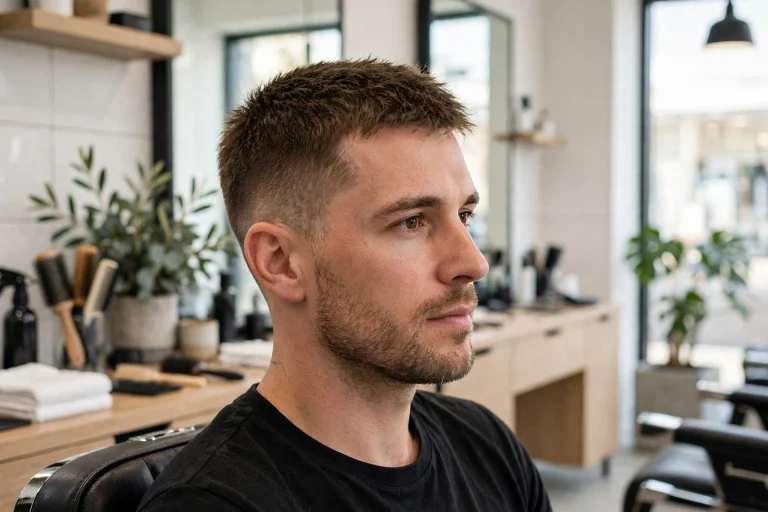
The textured quiff is a modern haircut with height, texture, and movement. The front is lifted and styled forward or upward with texture, while the sides can be tapered, faded, or undercut, giving the cut a clean finish with a voluminous top. It suits straight, wavy, and curly hair, it works from short and neat to long and voluminous, and it needs only a few minutes of styling. This guide explains what the cut is, 25 genuinely distinct variations, how to style it, and exactly what to tell your barber.
What Is a Textured Quiff?
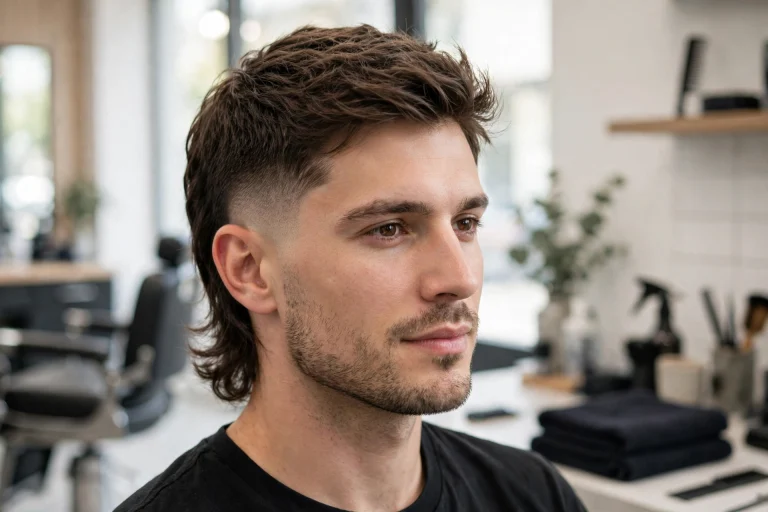
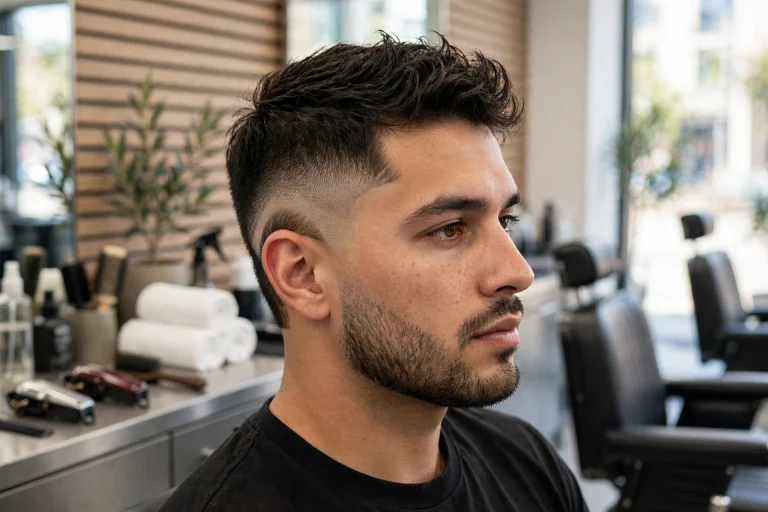
A textured quiff keeps the top at a medium length, lifted at the front and cut with texture for movement, while the sides are kept shorter. The front is styled forward or upward, not slicked flat, so the quiff shows texture and volume. The sides can be a low taper, a mid fade, an undercut, or a natural taper, and the textured quiff works with all of them because the focus is the textured top, not the sides. The cut is defined by the combination: a lifted, textured front, and shorter sides that frame it.
Why Is It Popular?
The textured quiff is popular because it gives height without stiffness. The texture keeps the top looking natural and modern, while the lifted front adds structure to the face. It works for work, casual settings, and evenings out, and it grows out well, because texture hides growth better than a slick cut. For a quiff with a low taper fade outline, see Low Taper Fade Quiff, which pairs a quiff front with a low taper fade.
25 Best Textured Quiff Styles
- Classic Textured Quiff: the timeless version, front lifted and textured, sides kept neat.
- Modern Textured Quiff: a looser, more natural take on the classic, with less structure and a softer finish.
- Messy Textured Quiff: the front is styled with loose, messy texture, a relaxed version.
- Short Textured Quiff: a shorter front, good for men who want the shape with minimal length.
- Long Textured Quiff: a longer front, giving maximum height and volume.
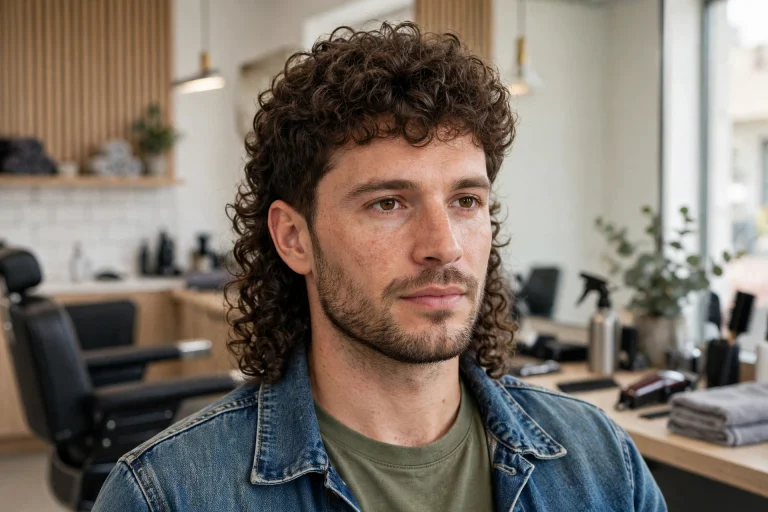
- Curly Textured Quiff: curls kept in the front, lifted and textured, with shorter sides.
- Wavy Textured Quiff: natural waves kept in the front, lifted and textured, with shorter sides.
- Low Taper Textured Quiff: the sides taper down low, a subtle outline for a textured quiff.
- Mid Fade Textured Quiff: the sides are faded to a mid height, giving a clear fade contrast.
- Undercut Textured Quiff: the sides are undercut, giving the strongest contrast with the textured top.
- Textured Quiff with Line-Up: a sharp, shaped hairline at the forehead and temples, paired with a textured quiff.
- Textured Quiff with Design Line: a single shaved design line in the sides adds detail.
- Textured Quiff with Beard Blend: the sides are blended into a beard, so the quiff, sides, and beard flow as one.
- Textured Quiff with Tapered Neckline: the nape is tapered to a clean finish, while the quiff keeps its length.
- Textured Quiff with Hard Part: a shaved hard part line is added to one side, giving structure to the quiff.
- Textured Quiff with Side Part: the top is parted to one side, with a textured quiff front.
- Textured Quiff with Volume: extra volume is built into the front, giving maximum height.
- Textured Quiff with Natural Finish: the front is left with almost no product, for the most low-key, natural version.
- Textured Quiff with Tousled Finish: the front is styled with soft, airy tousle, lighter and neater than a fully messy quiff.
- Textured Quiff with Grey Blend: a textured quiff with a taper that blends grey hair evenly, giving a natural, distinguished look.
- Textured Quiff with Disconnected Sides: the textured top is cut with a visible disconnect from the sides, giving a sharper, more editorial shape.
- Skin Fade Textured Quiff: the sides are faded down to skin, giving the strongest contrast version.
- High Fade Textured Quiff: the sides are faded to a high height, giving a bold, strong contrast.
- Textured Quiff with Matte Finish: the front is finished with a matte product, giving a natural, shine-free quiff.
- Textured Quiff with Brushed Back Finish: the textured front is brushed back softly, giving a quiff that flows into the back.
Best Textured Quiff for Different Hair Types
Straight hair suits the classic, short, and side part versions, because straight hair lifts and holds a quiff shape. Wavy hair suits the wavy, textured, and tousled versions, because wave adds natural movement to the quiff. Curly hair suits the curly version, because the curl gives volume, though the front needs enough length to lift. Thick hair benefits from textured or layered versions, which remove bulk from the front. Fine hair benefits from volume versions, which create the look of fullness. Tell your barber your hair type first, because the front length and layering change with it.
Best Face Shapes for a Textured Quiff
Oval faces suit most textured quiff versions, because the face is already balanced. Round faces suit volume and longer front versions, because height lengthens the look of the face. Square faces suit softer versions, such as tousled, messy, and natural finish, because softness balances a strong jaw. Long faces suit short quiff versions, because they avoid adding too much height. Heart-shaped faces suit textured quiff with beard blend versions, because the beard adds fullness lower on the face. These are guides, not rules, and a barber will adapt the front height to your face in person.
How to Style a Textured Quiff
Start with damp hair. Work a small amount of styling product through the front, then lift the front upward and slightly forward, using your fingers for a loose finish or a comb for a neater finish. For a textured quiff, scrunch lightly as you lift. For a classic quiff, lift the front evenly with a light hold product. For a messy quiff, tousle loosely and let it set naturally. Blow-dry upward on a low setting if you want more height, or let it air-dry for a softer finish. Finish with a light product to hold the quiff, and check the front in a mirror, because the quiff shape shows most from the front and the side.
Best Products for a Textured Finish
Product types, not specific brands or tested recommendations: matte clay gives texture and hold for textured quiffs. Styling cream gives light hold and softness for natural finish quiffs. Volumising powder adds lift at the roots for fine hair. Sea salt spray adds texture and grip for wavy hair. Light hairspray helps a quiff hold in humid weather. Use a small amount first, because too much product weighs the quiff down and makes it look greasy. Wash product out regularly, because build-up makes the front look heavy.
Textured Quiff vs. Pompadour
| Feature | Textured Quiff | Pompadour |
|---|---|---|
| Front | Lifted and textured, natural movement | Swept back and smooth, polished. |
| Texture | Textured, loose, modern | Smooth, sleek, classic. |
| Sides | Taper, fade, or undercut | Usually tapered, neat. |
| Styling | Fingers, light product, airy finish | Comb, stronger hold, polished finish. |
| Maintenance | Reshape every 4 to 6 weeks | Reshape every 3 to 4 weeks. |
| Best for | Men wanting a modern, textured quiff | Men wanting a classic, polished pompadour. |
How to Ask Your Barber
Bring a photo of the version you want, and be specific about four things: the front length, the texture, the sides, and the finish. Say: a textured quiff, not a slick quiff and not a pompadour. State the front length, short, medium, or long. State the texture, classic, messy, or tousled. State the sides, low taper, mid fade, undercut, or natural taper. State the finish, line-up or natural hairline, beard blend or tapered neckline. Ask how often to return for a sides tidy, usually every 3 to 4 weeks, and for a front reshape every 4 to 6 weeks.
Maintenance Tips
Get the sides tidied every 3 to 4 weeks to keep the outline neat. Get the front reshaped every 4 to 6 weeks, because the quiff loses its shape as it grows. Wash product out regularly, because clay and powder build up on the front. If the front starts to look flat, a small amount of fresh product and a re-lift restores the quiff. Protect the front from humidity with a light product, because a quiff can lose its height in damp weather. Sleep on a satin or silk pillowcase if the front tangles easily.
Frequently Asked Questions About the Textured Quiff
A textured quiff is a haircut with the front lifted and cut with texture for movement, and shorter sides, giving a modern, voluminous top with a clean finish.
A textured quiff is lifted and textured with natural movement, while a pompadour is swept back and smooth, giving a more polished, classic look.
Yes, with enough front length, because curly hair gives volume to the quiff. Ask for a length that follows your curl.
Style damp hair by lifting the front upward and slightly forward with a small amount of product, then let it set. Use your fingers for a loose finish or a comb for a neater finish.
Every 3 to 4 weeks for a sides tidy, and every 4 to 6 weeks for a front reshape.
Use a matte clay type for texture, a styling cream type for a soft finish, or a volumising powder type for lift. Use generic product types and a small amount first, because too much product weighs the front down.
Conclusion
The textured quiff works because it gives height a natural finish. The lifted, textured front looks modern, the shorter sides keep it clean, and a few minutes of styling keeps it in place. Pick the front length and sides that suit your hair type and face, state both separately to your barber, and keep the sides tidy every few weeks. Done that way, it is a confident cut that still looks effortless.
One Comment