Healthy Breakfast: What to Eat for a Nutritious Start to Your Day
Choosing what to eat in the morning can make a difference in how you feel throughout the day. Whether you prefer a quick meal before work, a filling breakfast after your morning workout, or something light and refreshing, the right food choices can help you meet your nutritional needs.
A healthy breakfast generally combines protein, fiber-rich carbohydrates, healthy fats, and nutrient-dense foods such as fruits and vegetables. You do not need expensive ingredients or complicated recipes to build a nutritious morning meal.
From eggs and oatmeal to Greek yogurt, whole-grain toast, and fresh fruit, there are plenty of options to enjoy. The key is choosing foods that provide a good balance of nutrients while matching your appetite, lifestyle, and personal preferences.
If you are wondering what is good for breakfast, this guide covers nutritious food choices, easy meal combinations, and practical tips to help you create a balanced morning routine.
What Is a Healthy Breakfast?
A healthy breakfast is a morning meal that provides a combination of nutrients your body needs, including protein, carbohydrates, fiber, healthy fats, vitamins, and minerals.
Rather than focusing on one particular food, aim to combine different food groups. For example, eggs with whole-grain toast and fruit provide a more varied nutritional profile than a breakfast consisting only of a sugary pastry.
A balanced breakfast may include:
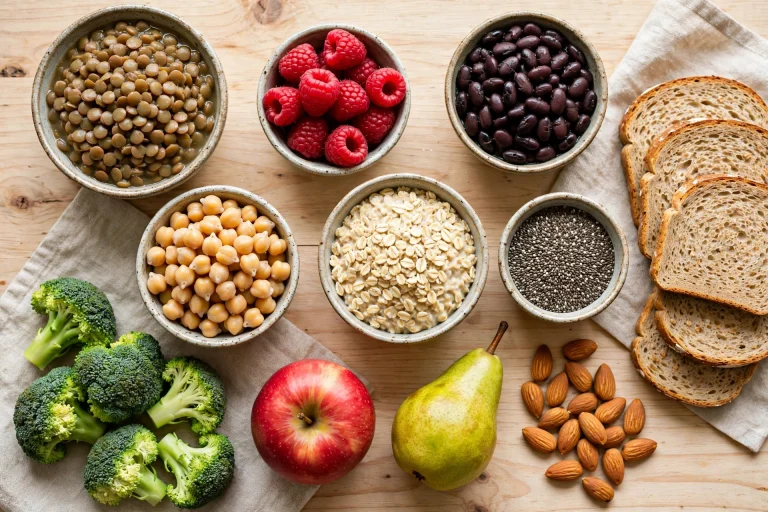
- Protein: Eggs, Greek yogurt, cottage cheese, beans, or nuts.
- Fiber-rich carbohydrates: Oatmeal, whole-grain bread, berries, or bananas.
- Healthy fats: Avocado, almonds, walnuts, chia seeds, or peanut butter.
- Fruits and vegetables: Spinach, tomatoes, apples, strawberries, or oranges.
- Dairy or fortified alternatives: Milk, plain yogurt, or fortified soy milk.
The amounts you need depend on your appetite, activity level, and overall dietary requirements.
According to the CDC, healthy eating patterns emphasize nutrient-dense foods, including protein, fruits, vegetables, whole grains, and healthy fats. Limiting added sugars and highly processed foods can also help improve the overall quality of your diet.
What Is Good for Breakfast? 12 Healthy Foods to Include
If you are unsure what to eat in the morning, start with familiar ingredients that provide useful nutrients and are easy to prepare.
Here are 12 nutritious breakfast foods you can combine in different ways.
1. Eggs
Eggs are a convenient source of high-quality protein and contain several important nutrients, including vitamin B12, choline, and selenium.
They are also versatile enough to fit into many breakfast styles.
You can prepare eggs in several ways:
- Boiled eggs with whole-wheat toast.
- Scrambled eggs with spinach and tomatoes.
- Vegetable omelets with mushrooms and peppers.
- Poached eggs with avocado toast.
Protein can help make a breakfast more satisfying, particularly when combined with fiber-rich foods.
Serving idea: Try two eggs with whole-grain toast and a small serving of fruit.
2. Oatmeal
Oatmeal is one of the most practical healthy breakfast options, especially if you want something warm, affordable, and filling.
Oats contain beta-glucan, a type of soluble fiber associated with maintaining healthy cholesterol levels. They also provide complex carbohydrates, magnesium, iron, and other nutrients.
You can prepare oatmeal with milk or fortified soy milk and add nutritious toppings.
Good combinations include:
- Oatmeal with banana and cinnamon.
- Overnight oats with strawberries.
- Oats with peanut butter and chia seeds.
- Oatmeal topped with blueberries and walnuts.
Serving idea: Cook half a cup of dry rolled oats with milk, then add banana slices and a tablespoon of chopped nuts.
3. Greek Yogurt
Plain Greek yogurt is a useful breakfast food because it generally contains more protein than regular yogurt.
It also provides calcium and other nutrients that support normal body functions.
Choose unsweetened varieties when possible to avoid unnecessary added sugar.
You can enjoy Greek yogurt with:
- Fresh blueberries or strawberries.
- Chopped almonds or walnuts.
- Chia seeds and oats.
- Sliced bananas and cinnamon.
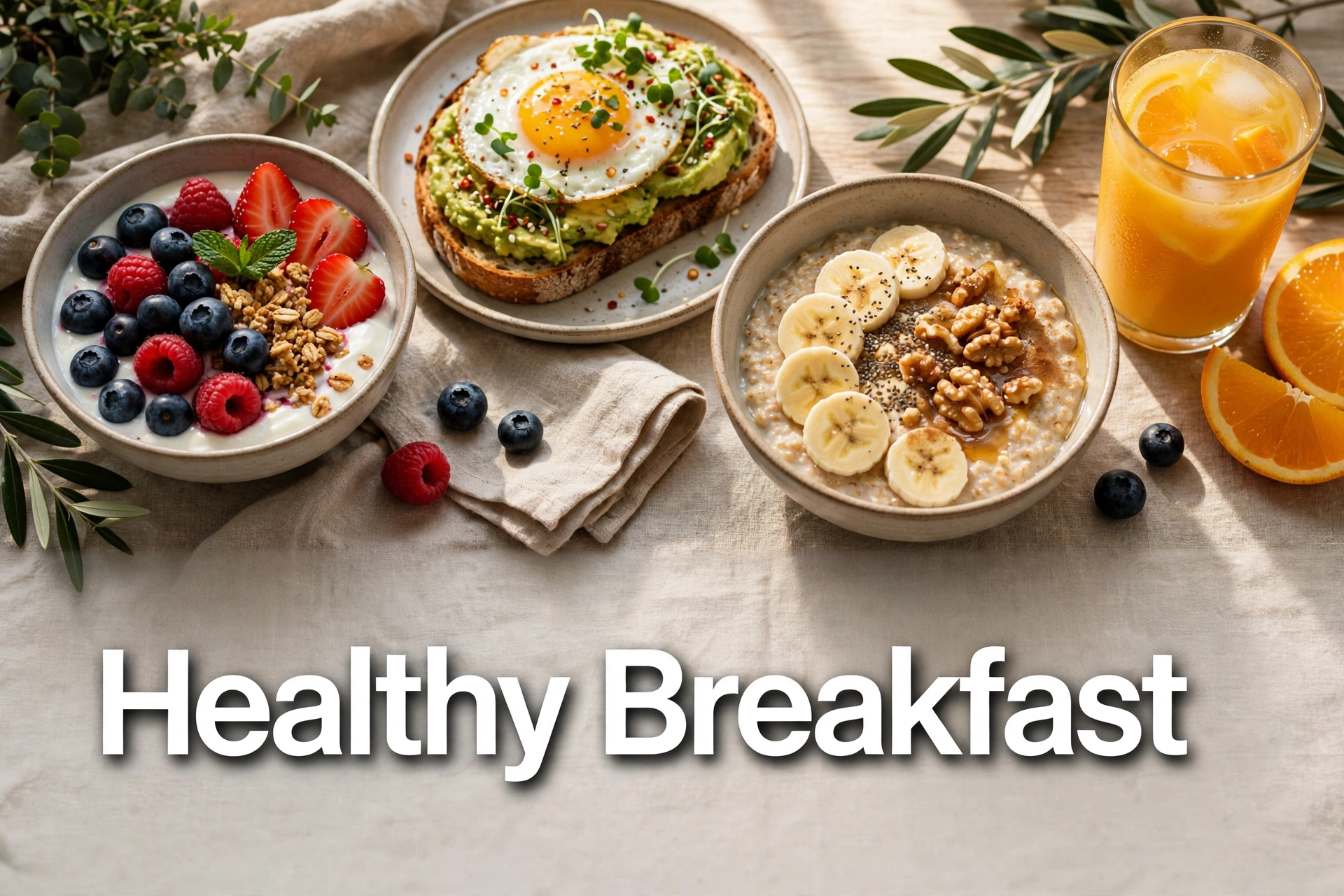
Serving idea: Combine plain Greek yogurt, berries, rolled oats, and a small handful of nuts for a quick breakfast bowl.
4. Fresh Berries
Berries are an easy way to add natural sweetness, fiber, and beneficial plant compounds to your breakfast.
Some popular choices include:
- Strawberries.
- Blueberries.
- Raspberries.
- Blackberries.
Their colorful pigments contain antioxidant compounds called anthocyanins, particularly in darker berries.
Add them to oatmeal, yogurt, smoothies, or whole-grain cereal.
Serving idea: Mix one cup of mixed berries with plain Greek yogurt and a spoonful of chia seeds.
5. Whole-Grain Bread
Whole-grain bread provides carbohydrates and fiber that can make breakfast more satisfying.
Unlike refined white bread, whole-grain varieties retain more of the grain’s natural components.
Look for bread labeled 100% whole wheat or 100% whole grain. Check the ingredient list rather than relying only on the bread’s color.
Try these combinations:
- Whole-grain toast with avocado.
- Toast with scrambled eggs.
- Peanut butter and banana toast.
- Cottage cheese and tomato toast.
Serving idea: Enjoy two slices of whole-grain toast with mashed avocado and a boiled egg.
6. Chia Seeds
Chia seeds are small but contain a useful amount of fiber, plant-based omega-3 fatty acids, and minerals.
They absorb liquid and form a gel-like consistency, making them particularly useful for overnight breakfast recipes.
Easy ways to include chia seeds:
- Add them to oatmeal.
- Mix them into yogurt.
- Prepare overnight chia pudding.
- Blend them into a fruit smoothie.
Serving idea: Mix two tablespoons of chia seeds with half a cup of milk and refrigerate overnight. Add berries before serving.
7. Cottage Cheese
Cottage cheese is a protein-rich dairy food that can work in both sweet and savory breakfasts.
It also provides calcium and other nutrients.
You can combine it with:
- Fresh strawberries.
- Sliced peaches.
- Tomatoes and cucumber.
- Whole-grain toast.
- Chia seeds and nuts.
Check nutrition labels because some cottage cheese varieties contain considerable sodium.
Serving idea: Serve cottage cheese with sliced tomatoes, cucumber, and whole-grain toast.
8. Bananas
Bananas are convenient, affordable, and easy to eat when you have limited time in the morning.
They provide carbohydrates, potassium, and fiber.
You can eat a banana on its own or combine it with foods that provide additional protein and healthy fats.
For example:
- Banana with peanut butter.
- Banana slices in oatmeal.
- Banana and Greek yogurt.
- Banana blended into a smoothie.
Serving idea: Pair one banana with plain Greek yogurt and a few walnuts for a simple breakfast.
9. Nuts and Seeds
Almonds, walnuts, pumpkin seeds, sunflower seeds, and flaxseeds can improve the nutritional variety of a breakfast.
They provide unsaturated fats, fiber, protein, and minerals.
Because nuts and seeds are energy-dense, a small handful or spoonful is generally enough to add flavor and texture.
Try adding them to:
- Overnight oats.
- Greek yogurt bowls.
- Whole-grain cereal.
- Fruit smoothies.
- Homemade breakfast bowls.
Serving idea: Sprinkle chopped walnuts and ground flaxseed over oatmeal or yogurt.
10. Avocado
Avocado contains monounsaturated fats, fiber, and several vitamins and minerals.
Its creamy texture makes it an excellent addition to savory breakfasts.
Popular combinations include:
- Avocado and egg toast.
- Avocado with whole-grain crackers.
- Avocado and tomato sandwiches.
- Avocado breakfast bowls with beans.
Serving idea: Spread half a mashed avocado over whole-grain toast and add a boiled egg.
11. Spinach and Other Vegetables
Breakfast is a useful opportunity to include vegetables that people sometimes overlook in their morning meals.
Spinach, mushrooms, tomatoes, bell peppers, and onions can add fiber, vitamins, minerals, and flavor.
You can easily incorporate them into:
- Vegetable omelets.
- Scrambled eggs.
- Breakfast wraps.
- Savory oatmeal.
- Whole-grain sandwiches.
Serving idea: Prepare scrambled eggs with spinach, tomatoes, and mushrooms, then serve with whole-wheat toast.
12. Peanut Butter
Peanut butter contains protein, unsaturated fats, and several important nutrients.
It can make a simple breakfast more satisfying when paired with fiber-rich carbohydrates.
Choose peanut butter with little or no added sugar and moderate sodium.
Some easy combinations include:
- Peanut butter and banana toast.
- Apple slices with peanut butter.
- Peanut butter oatmeal.
- Whole-grain crackers with peanut butter.
Serving idea: Spread one tablespoon of peanut butter over whole-grain toast and add banana slices.
What Should I Eat for Breakfast? 8 Easy Healthy Breakfast Ideas
Knowing which foods are nutritious is useful, but combining them into complete meals makes everyday breakfast planning easier.
Here are eight practical combinations for different schedules and preferences.
1. Greek Yogurt and Berry Bowl
Preparation time: 5 minutes
Ingredients:
- 1 cup plain Greek yogurt.
- 1/2 cup fresh or frozen berries.
- 2 tablespoons rolled oats.
- 1 tablespoon chopped almonds.
- A pinch of cinnamon.
Instructions:
- Add Greek yogurt to a serving bowl.
- Arrange the berries on top.
- Sprinkle rolled oats and chopped almonds over the yogurt.
- Add cinnamon and serve.
This combination provides protein from yogurt, fiber from oats and berries, and healthy fats from almonds.
2. Vegetable Egg Omelet
Preparation time: 10 minutes
Ingredients:
- 2 eggs.
- 1/4 cup chopped spinach.
- 1/4 cup chopped tomatoes.
- 2 tablespoons diced bell pepper.
- 1 teaspoon olive oil.
- Black pepper to taste.
Instructions:
- Beat the eggs in a small bowl.
- Heat olive oil in a nonstick skillet.
- Add the vegetables and cook briefly.
- Pour in the eggs.
- Cook until set, folding the omelet in half before serving.
Pair it with whole-grain toast for additional fiber.
3. Peanut Butter Banana Oatmeal
Preparation time: 10 minutes
Ingredients:
- 1/2 cup rolled oats.
- 1 cup milk or fortified soy milk.
- 1 small banana.
- 1 tablespoon peanut butter.
- A pinch of cinnamon.
Instructions:
- Combine oats and milk in a saucepan.
- Cook according to the package instructions.
- Transfer the oatmeal to a bowl.
- Add sliced banana and peanut butter.
- Finish with cinnamon.
This is a convenient option for people who prefer a warm and satisfying breakfast.
4. Avocado and Egg Toast
Preparation time: 10 minutes
Ingredients:
- 2 slices whole-grain bread.
- 1/2 avocado.
- 1 boiled or scrambled egg.
- A little lemon juice.
- Black pepper to taste.
Instructions:
- Toast the bread.
- Mash avocado with lemon juice.
- Spread it over the toast.
- Add sliced boiled egg or scrambled egg.
- Finish with black pepper.
The combination provides protein, fiber, and unsaturated fats.
5. Overnight Chia Oats
Preparation time: 5 minutes, plus refrigeration
Ingredients:
- 1/2 cup rolled oats.
- 1 tablespoon chia seeds.
- 3/4 cup milk.
- 1/2 cup sliced strawberries.
- A pinch of cinnamon.
Instructions:
- Add oats and chia seeds to a jar.
- Pour in the milk and stir.
- Refrigerate overnight.
- Add strawberries and cinnamon in the morning.
- Stir and enjoy.
This breakfast is particularly useful when you want to prepare food the night before.
6. Cottage Cheese and Fruit Bowl
Preparation time: 5 minutes
Ingredients:
- 3/4 cup cottage cheese.
- 1/2 cup sliced peaches or strawberries.
- 1 tablespoon chopped walnuts.
- A pinch of cinnamon.
Instructions:
- Place cottage cheese in a bowl.
- Add your preferred fruit.
- Sprinkle walnuts and cinnamon on top.
- Serve immediately.
It offers a convenient combination of protein, fruit, and healthy fats.
7. Healthy Breakfast Smoothie
Preparation time: 5 minutes
Ingredients:
- 1 small banana.
- 1/2 cup frozen berries.
- 3/4 cup plain Greek yogurt.
- 1/2 cup milk.
- 1 tablespoon ground flaxseed.
Instructions:
- Add all ingredients to a blender.
- Blend until smooth.
- Adjust the consistency with additional milk if needed.
- Pour into a glass and serve.
This smoothie combines fruit, protein, fiber, and healthy fats. You can also add spinach for extra vegetables.
8. Whole-Grain Breakfast Sandwich
Preparation time: 10 minutes
Ingredients:
- 1 whole-grain English muffin.
- 1 egg.
- 1 slice tomato.
- A handful of spinach.
- 1 slice cheese, optional.
Instructions:
- Toast the English muffin.
- Cook the egg in a nonstick skillet.
- Add spinach and tomato to the bottom half.
- Place the cooked egg on top.
- Add cheese if desired.
- Cover with the other half of the muffin.
This portable breakfast is useful for busy mornings when you need something easy to take with you.
What Is the Healthiest Breakfast?
There is no single breakfast that is healthiest for everyone. The best choice depends on your nutritional needs, preferences, budget, activity level, and appetite.
However, a breakfast that includes protein, fiber, healthy fats, and nutrient-dense foods is a practical starting point.
Consider these examples:
| Breakfast | Main nutritional benefits |
|---|---|
| Eggs with whole-grain toast and fruit | Protein, fiber, and vitamins |
| Greek yogurt with berries and nuts | Protein, calcium, fiber, and unsaturated fats |
| Oatmeal with chia seeds and banana | Soluble fiber, carbohydrates, and minerals |
| Avocado and egg toast | Protein, fiber, and unsaturated fats |
| Cottage cheese with fruit | Protein, calcium, and vitamins |
| Vegetable omelet | Protein and a variety of micronutrients |
Rather than searching for one perfect meal, rotate different combinations throughout the week to improve dietary variety.
What Makes a Breakfast High in Protein and Fiber?
Protein and fiber are two important components to consider when building a satisfying breakfast.
Protein supports muscle maintenance and many other functions in the body. Fiber supports digestive health and helps you feel satisfied after eating.
Here are some useful sources of each:
Protein-rich breakfast foods:
- Eggs.
- Plain Greek yogurt.
- Cottage cheese.
- Milk or fortified soy milk.
- Peanut butter.
- Nuts and seeds.
Fiber-rich breakfast foods:
- Oatmeal.
- Whole-grain bread.
- Berries.
- Apples and pears.
- Chia seeds.
- Flaxseeds.
You do not need to choose between protein and fiber. Combining foods from both groups can make a more balanced meal.
For example, Greek yogurt with oats, berries, and walnuts provides a mixture of protein, fiber, and unsaturated fats.
What Breakfast Foods Should You Limit?
You do not have to completely avoid your favorite breakfast foods to eat healthfully. However, some options are better enjoyed less frequently or in smaller portions.
1. Sugary Breakfast Cereals
Some packaged cereals contain substantial amounts of added sugar and relatively little fiber.
Check the Nutrition Facts label and look for whole-grain options with less added sugar.
2. Sweet Pastries and Doughnuts
Doughnuts, sweet rolls, and pastries can contain significant amounts of refined carbohydrates, added sugar, and saturated fat.
They can still fit into an overall varied diet, but they may not provide the same combination of protein and fiber as a more balanced breakfast.
3. Processed Breakfast Meats
Bacon and breakfast sausages can be high in sodium and saturated fat.
Consider using eggs, beans, or other less-processed protein sources more often.
4. Sugary Coffee Drinks
Flavored coffee drinks and sweetened beverages can add considerable amounts of sugar to your morning routine.
Try plain coffee, unsweetened tea, or coffee with milk and minimal added sweeteners.
5. Fruit Juice Instead of Whole Fruit
Fruit juice can provide vitamins, but it generally contains less fiber than whole fruit.
Whenever practical, choose whole oranges, apples, berries, or bananas instead.
How to Build a Healthy Breakfast in 5 Minutes
You do not need to spend half an hour preparing a nutritious morning meal.
A few simple ingredients can help you put together breakfast quickly.
Try this basic approach:
Step 1: Choose a protein source.
Select eggs, Greek yogurt, cottage cheese, or nut butter.
Step 2: Add a fiber-rich carbohydrate.
Choose oatmeal, whole-grain bread, or whole fruit.
Step 3: Include healthy fats.
Add avocado, walnuts, almonds, chia seeds, or peanut butter.
Step 4: Add fruit or vegetables.
Include berries, bananas, spinach, tomatoes, or other produce.
Step 5: Choose a drink.
Water, plain coffee, unsweetened tea, or milk can accompany your meal.
For example, a bowl of Greek yogurt with berries, oats, and walnuts takes only a few minutes to assemble.
Healthy Breakfast Ideas for Different Lifestyles
Your ideal breakfast may depend on how much time you have and what you need from your morning meal.
Here are some practical options for different routines.
For Busy Professionals
If you leave home early, choose breakfasts that can be prepared in advance.
Good options include:
- Overnight oats.
- Greek yogurt and fruit.
- Whole-grain breakfast sandwiches.
- Peanut butter and banana toast.
For People Who Exercise in the Morning
If you exercise early, consider your comfort, workout intensity, and timing when choosing food.
Some people prefer a light snack, such as a banana or toast, before exercise. Others prefer a more substantial breakfast afterward.
Post-workout meals can include eggs, Greek yogurt, oatmeal, or a smoothie containing protein and fruit.
For Vegetarians
Vegetarian breakfasts can provide plenty of protein and fiber.
Try:
- Greek yogurt with berries.
- Tofu scramble with vegetables.
- Peanut butter oatmeal.
- Cottage cheese toast.
- Black bean breakfast wraps.
For People on a Budget
Nutritious breakfasts do not require expensive ingredients.
Affordable choices include:
- Eggs.
- Rolled oats.
- Bananas.
- Peanut butter.
- Seasonal fruit.
- Plain yogurt.
- Beans.
Buying ingredients in larger packages and using frozen fruit can also help reduce grocery expenses.
Common Healthy Breakfast Mistakes to Avoid
Even when choosing nutritious foods, a few common habits can make breakfast less balanced.
Eating Only Refined Carbohydrates
A breakfast consisting only of white toast, sugary cereal, or pastries may provide limited fiber and protein.
Try adding eggs, yogurt, nuts, or fruit to improve nutritional variety.
Ignoring Portion Sizes
Foods such as nuts, peanut butter, avocado, and granola contain useful nutrients but can also be energy-dense.
Pay attention to portions while considering your individual energy requirements.
Choosing Flavored Yogurt Without Checking Labels
Some flavored yogurts contain significant added sugar.
Plain yogurt with fresh fruit is a simple alternative.
Skipping Vegetables
Vegetables are not just for lunch and dinner. Spinach, tomatoes, mushrooms, and peppers can easily become part of your morning meal.
Assuming Everyone Needs the Same Breakfast
Nutritional needs differ between individuals. Some people prefer a larger morning meal, while others feel comfortable eating a lighter breakfast.
Choose an eating pattern that works with your overall dietary needs and daily routine.
Frequently Asked Questions About Healthy Breakfast
A balanced breakfast can include eggs, whole-grain toast, fresh fruit, and a source of healthy fat. Greek yogurt with oats and berries is another practical option. You can rotate different foods to maintain variety.
Good choices include oatmeal, eggs, Greek yogurt, berries, whole-grain bread, cottage cheese, nuts, and fresh fruit. Combining protein, fiber, and healthy fats can help make breakfast more satisfying.
Consider protein-rich foods such as eggs, Greek yogurt, and cottage cheese alongside fiber-rich foods such as oats, berries, and whole-grain bread. These combinations can help promote fullness.
There is no single breakfast that guarantees weight loss. However, meals containing protein, fiber, and nutrient-dense ingredients can support a balanced eating pattern. Examples include vegetable omelets, Greek yogurt bowls, and oatmeal with nuts and fruit.
Eggs provide high-quality protein and several essential nutrients. They can be part of a balanced breakfast, especially when paired with vegetables, fruit, or whole-grain foods. Individual dietary needs may vary.
Yes. Oatmeal contains soluble fiber, including beta-glucan, and provides complex carbohydrates. Adding milk, yogurt, nuts, seeds, or fruit can make it a more nutritionally varied meal.
Plain Greek yogurt is a useful protein-rich breakfast option. It also provides calcium and can be combined with fruit, oats, and nuts for additional nutrients.
Try overnight oats, Greek yogurt with fruit, a banana with peanut butter, boiled eggs with whole-grain toast, or a prepared breakfast smoothie. These options require little morning preparation.
Not everyone has the same appetite or eating schedule. You do not necessarily need to force yourself to eat immediately after waking up. Consider your overall nutritional needs, daily routine, and hunger cues.
Vegetarians can choose oatmeal with nuts, Greek yogurt with berries, tofu scramble, cottage cheese toast, or black bean breakfast wraps. These options provide different combinations of protein, fiber, and other nutrients.
Whole fruit provides vitamins, minerals, and fiber, but fruit alone may not provide enough protein or other nutrients for everyone’s needs. Pairing fruit with Greek yogurt, nuts, or eggs can create a more balanced meal.
Water, plain coffee, unsweetened green tea, and milk are common choices. Choose beverages according to your preferences and dietary needs, and limit added sugar in drinks.
Conclusion
A healthy breakfast does not need to be complicated, expensive, or time-consuming. The best approach is to combine nutritious everyday foods that provide protein, fiber, healthy fats, and essential nutrients.
Whether you enjoy oatmeal with berries, eggs with whole-grain toast, Greek yogurt bowls, or a quick breakfast smoothie, there are plenty of ways to start your morning with a balanced meal.
Experiment with different ingredients, prepare a few options ahead of time, and choose meals that fit your appetite and lifestyle. Building a varied breakfast routine can make nutritious eating easier and more enjoyable throughout the week.