
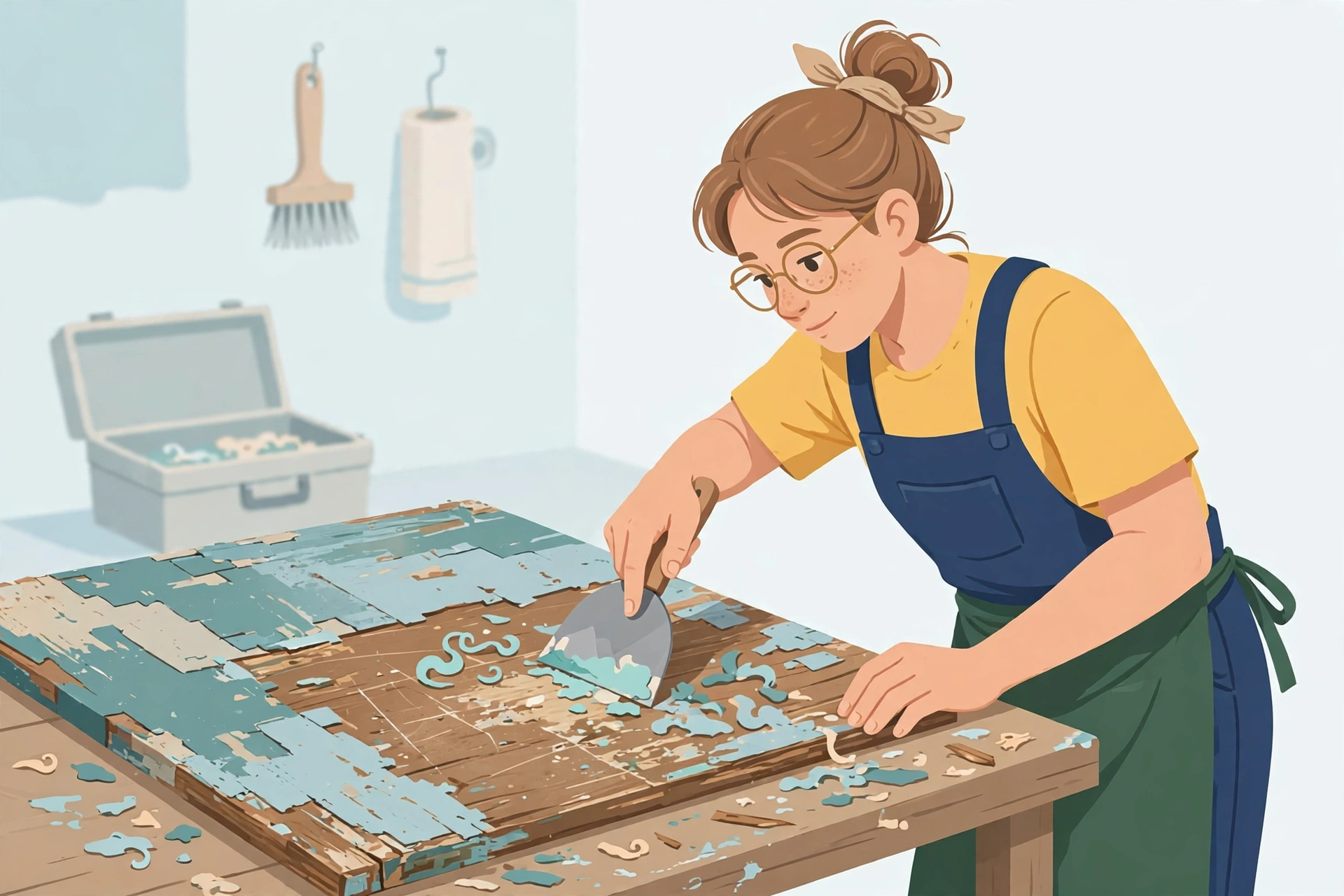
Scrapped or Scraped: What’s the Difference?
Scrapped or scraped? These two words sound almost the same, and they are spelled almost the same, but they come from different verbs, and they mean different things. Scrapped means discarded or cancelled. Scraped means rubbed, scratched, or had a layer removed. Mixing them up changes the meaning completely. A plan can be scrapped, but it cannot be scraped, in the normal sense. A knee can be scraped, but it cannot be scrapped, in the normal sense. This guide explains both words, the spelling rule behind them, and the idioms to know.
Quick Answer
Scrapped, with two p letters, is the past tense of scrap, meaning to discard or cancel something, as in they scrapped the plan. Scraped, with one p and an e dropped, is the past tense of scrape, meaning to rub, scratch, or remove a layer, as in she scraped her knee. The words are not interchangeable. If you mean cancelled or thrown away, write scrapped. If you mean scratched or rubbed off, write scraped.
Meaning and Definition
Scrapped (verb: scrap)
Scrap, as a verb, means to discard, abandon, or cancel something, often because it is no longer useful. For example: The company scrapped the old design. Scrapped is the past tense, as in they scrapped the project last year. As a noun, scrap means waste material, especially metal, as in scrap metal. The sense is always about getting rid of something.
Scraped (verb: scrape)
Scrape, as a verb, means to rub a surface hard, often with something rough, to remove a layer, or to scratch the skin. For example: She scraped the paint off the wall. Scraped is the past tense, as in he scraped his knee on the pavement. The sense is always about rubbing, scratching, or removing, not about cancelling.
Comparison Table
| Word | Base Verb | Meaning |
|---|---|---|
| Scrapped | Scrap | Discarded or cancelled. |
| Scraped | Scrape | Rubbed, scratched, or had a layer removed. |
| Scrapped | Scrap | Thrown away as no longer useful. |
| Scraped | Scrape | Barely managed, in scraped by, or collected data, in scraped data. |
Spelling Rule
The spelling rule explains both forms. Scrap is a short verb ending in a single vowel plus a single consonant, a plus p, with the stress on that syllable. When a suffix is added, the final consonant doubles, so scrap becomes scrapped, with two p letters, and scrapping, with two p letters. Scrape ends in a silent e. When a suffix is added, the e is dropped, so scrape becomes scraped, with one p, and scraping, with one p. The rule is simple: scrap doubles the p, scrape drops the e. Remembering the base verb, scrap or scrape, tells you which past tense to write.
Idioms
- Scraped together, meaning gathered with effort, as in they scraped together enough money for the trip.
- Scrap the plan, meaning cancel the plan, as in we had to scrap the plan when it rained.
- Scraped by, meaning barely managed to pass or survive, as in she scraped by on the exam.
- Scraped data, modern web meaning, meaning data collected automatically from a website, as in the report used scraped data from public pages.
Note the base verbs. Scraped together, scraped by, and scraped data all come from scrape, not scrap, because they involve gathering, barely managing, or collecting, not cancelling. Scrap the plan comes from scrap, because it means cancel.
Examples in Sentences
- They scrapped the old plan after the meeting.
- She scraped her knee when she fell.
- The company scrapped the project last month.
- He scraped the ice off the windscreen.
- We scraped together enough money for tickets.
- She scraped by with a passing grade.
Common Mistakes
Wrong: They scraped the plan. Correct: They scrapped the plan, because a plan is cancelled, from scrap.
Wrong: She scrapped her knee. Correct: She scraped her knee, because a knee is scratched, from scrape.
Wrong: He scrapped the paint off the wall. Correct: He scraped the paint off the wall, because paint is removed by rubbing, from scrape.
Wrong: They scraped the project. Correct: They scrapped the project, because a project is abandoned, from scrap.
The mistake is almost always using one word for both senses. Checking the base verb, scrap for cancel, scrape for rub, catches the error.
Tips to Remember
Ask: Do I mean cancel, or do I mean rub? Cancel means scrapped, with two p letters, from scrap. Rub or scratch means scraped, with one p, from scrape. A simple memory aid is: scrap has a short a, so it doubles the p, giving scrapped. Scrape has a long a and a silent e, so it drops the e, giving scraped. Other tricky spellings also become easier when you start from the base verb, instead of guessing from the sound.
Synonyms
For scrapped, synonyms include discarded, abandoned, cancelled, and dropped. For example: They abandoned the plan, instead of they scrapped the plan. For scraped, synonyms include scratched, rubbed, grazed, and peeled off, depending on the sense. For example: She grazed her knee, instead of she scraped her knee. Synonyms are useful when you want variety, but they do not replace the exact sense of scrapped versus scraped, because discarded and scratched mean different things.
Frequently Asked Questions About Scrapped or Scraped
Scrapped the plan, because a plan is cancelled, from scrap.
Scraped my knee, because a knee is scratched, from scrape.
Because scrap doubles its final p before ed, giving scrapped.
Because scrape drops its silent e before ed, giving scraped, with one p.
Gathered with effort, as in they scraped together enough money.
Data collected automatically from a website, a modern web use of scrape.
Conclusion
Scrapped means discarded or cancelled, from scrap, with two p letters. Scraped means rubbed, scratched, or had a layer removed, from scrape, with one p, after dropping the e. Check the base verb, scrap for cancel, scrape for rub, and the right word will follow.