
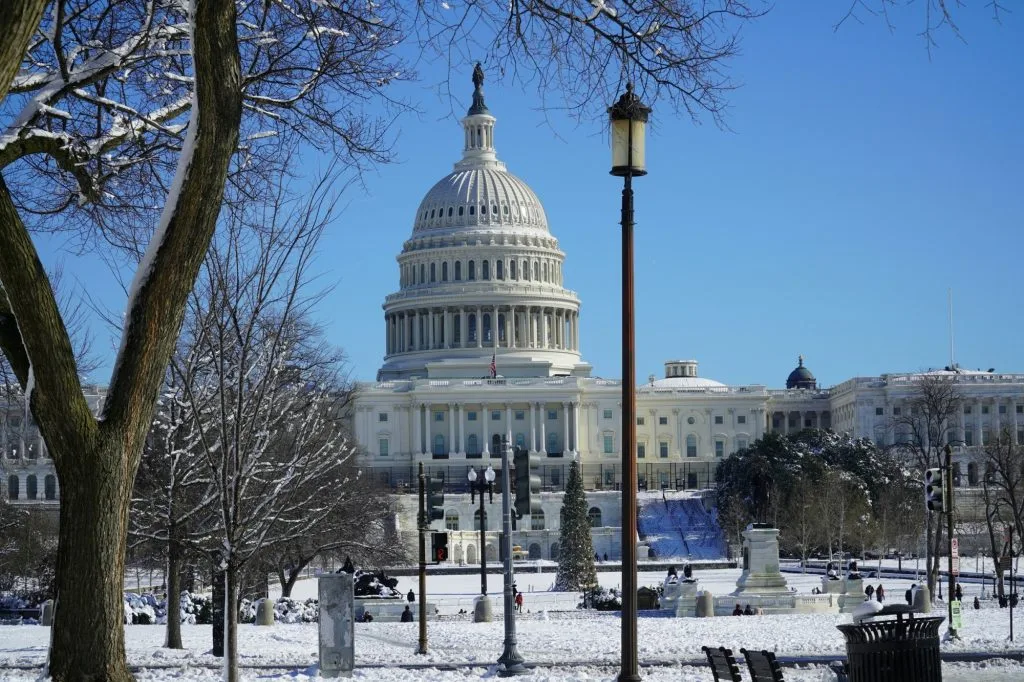
Congressional Office of Technology: House Bill Seeks to Restore OTA Expertise in the AI Era
Artificial intelligence is changing how governments approach technology, security, healthcare, business, and public services. But lawmakers need reliable technical advice to understand these changes before they write new laws. A bipartisan group of US House members has introduced legislation to strengthen that expertise by reviving Congress’ former Office of Technology Assessment (OTA) under a new name: the Congressional Office of Technology.
The proposal arrives as AI systems and other emerging technologies develop quickly. Supporters argue that Congress needs independent scientific and technical analysis to make informed decisions. The bill has been introduced in the House and referred to the House Committee on House Administration. It has not become law.
What Is the Congressional Office of Technology Bill?
The proposal is H.R. 10946, titled the Congressional Office of Technology Improvement and Enhancement Act. Representative Mark Takano introduced it on October 29, 2026, with bipartisan support from Representatives Donald Beyer, Bill Foster, Sean Casten, and Jay Obernolte.
The bill would rename the Office of Technology Assessment as the Congressional Office of Technology and revise its functions and duties. Its central purpose is to give members of Congress access to independent information about emerging science and technology, including artificial intelligence.
The measure has been referred to the House Committee on House Administration. It remains a proposal, and its introduction does not guarantee that Congress will pass it.
Why Does Congress Want to Bring Back the Office of Technology Assessment?
Congress established the Office of Technology Assessment in 1972 to provide lawmakers with objective information about the potential benefits and risks of technology. The office operated for more than two decades and produced hundreds of assessments, technical reports, and research papers.
Congress stopped funding the OTA in 1995. Its closure removed a dedicated source of scientific and technological analysis from the legislative branch. Other organizations, including the Government Accountability Office (GAO) and the Congressional Research Service (CRS), have since helped provide research and analysis to lawmakers.
Supporters of the new proposal say those resources do not remove the need for a dedicated office focused on emerging technology. AI, biotechnology, and fusion energy are examples of fields where technical developments can create complex policy questions. Lawmakers need to understand both opportunities and possible consequences before deciding how to act.
How AI Is Changing the Need for Legislative Expertise
AI is advancing across areas such as software development, national security, education, healthcare, and finance. These uses raise questions about safety, privacy, accountability, competition, and the role of government. A law written without a clear understanding of how a system works may fail to address the real risk or may create unnecessary barriers.
An independent technology office could help lawmakers examine how AI systems operate, assess likely impacts, and compare different policy options. It could also help Congress understand technical issues that may not be obvious from industry claims or short-term public debate.
This does not mean the proposed office would regulate AI companies or make laws itself. Its role would be to provide analysis and technical support so elected representatives can make better-informed decisions.
What Would the Proposed Office Do?
According to reporting on the bill, the proposed office would study emerging science and technology trends that have national importance. It could draw on specialists such as scientists and engineers from universities, industry, and research organisations. Some experts could serve for a limited period, allowing the office to bring in knowledge from different fields.
The office would coordinate with the Government Accountability Office and the Congressional Research Service. This coordination is intended to reduce duplication and make better use of existing research capacity.
Reporting on the proposal says the office would respond to congressional questions within two weeks and work efficiently while providing useful technical information. Implementation details would depend on the final legislative text and any changes made during the congressional process.
Bipartisan Support and the Bill’s Current Status
The proposal has support from both Democratic and Republican lawmakers. Mark Takano is the lead sponsor, while Donald Beyer, Bill Foster, and Sean Casten are Democratic co-sponsors. Republican Representative Jay Obernolte has also joined the effort.
The bipartisan group reflects a shared concern that Congress needs stronger access to technical knowledge. However, bipartisan support at introduction does not mean the bill has secured enough votes to pass. H.R. 10946 was referred to the House Committee on House Administration after its introduction on October 29, 2026.
Funding Remains an Important Question
One issue highlighted in reporting is that the bill does not specify funding for the proposed office. A previous funding request for restoring the OTA was around $6 million, but that figure should not be treated as an approved budget for H.R. 10946.
The office would need staff, research capacity, and access to specialist knowledge to deliver timely analysis. Without a clear funding plan, it is difficult to assess how quickly the proposal could become operational if lawmakers approve it.
What Could the Proposal Mean for Future AI Policy?
If Congress restores a dedicated technology assessment office, lawmakers could gain another source of independent analysis when considering AI-related legislation. This may help them evaluate technical claims, understand emerging risks, and compare policy choices before introducing or voting on bills.
The proposal could also support more informed debate on technologies beyond AI, including biotechnology and energy systems. However, the office would advise Congress rather than replace lawmakers, regulators, or existing research agencies.
Its practical impact would depend on whether the bill passes, how the office is funded, which experts it can recruit, and how effectively it shares its findings with members of Congress.
Frequently Asked Questions
It is the proposed new name for the Office of Technology Assessment under H.R. 10946. The bill would revise the office’s functions and duties to support Congress with technology expertise.
H.R. 10946 is the Congressional Office of Technology Improvement and Enhancement Act, introduced in the US House on October 29, 2026.
Such an office could provide independent technical analysis to help lawmakers understand AI capabilities, risks, and policy options.
Congress established the OTA in 1972 and stopped funding its operations in 1995. It had provided scientific and technological assessments to lawmakers.
No. H.R. 10946 was introduced and referred to the House Committee on House Administration. It remains a proposal.
The proposal is focused on research, assessment, and advice for Congress. It would not itself serve as an AI regulator or pass legislation.
Conclusion
The proposed return of the Office of Technology Assessment reflects a growing need for technical knowledge in the US legislative process. As AI and other emerging technologies reshape public policy, lawmakers need clear, independent information to assess their effects. H.R. 10946 would rename and revise the former office as the Congressional Office of Technology, but the proposal still needs to move through Congress.
For now, the bill signals bipartisan interest in strengthening Congress’ technology expertise. Whether it delivers that capacity will depend on its progress, funding, staffing, and the final responsibilities lawmakers approve.