
A Short History of the World’s Tallest Buildings
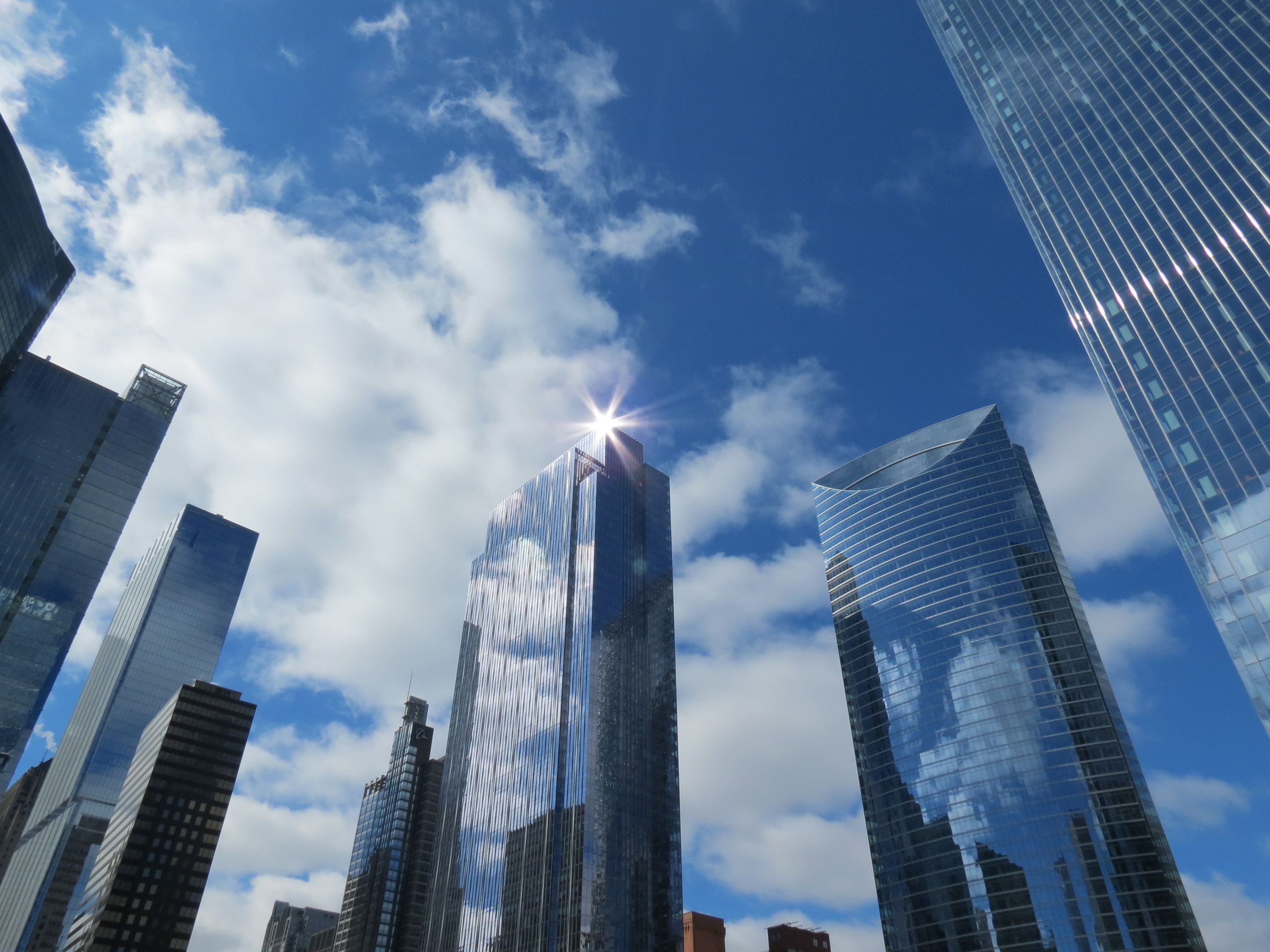
The story of skyscrapers is the story of cities reaching upward. CNN’s short video traces that journey from the first Chicago skyscraper in 1885 to the tall towers of today, showing how buildings grew taller as cities changed.
In just over a century, skylines went from low rooftops to towers that define entire cities.
The First Skyscrapers
The journey begins in Chicago in 1885, with the first skyscraper. That building marked a turning point: new construction methods made it possible to build taller than before, and cities began to grow upward instead of only outward.
Early skyscrapers were modest by today’s standards, but they proved an idea that would reshape city life: land in a busy city could be used far more efficiently by stacking floors on top of each other.
The Empire State Era
As the decades passed, skyscrapers became symbols of ambition. The Empire State Building stands as one of the most famous landmarks of that era, a tower that came to represent a city’s skyline around the world.
Buildings like it showed that a skyscraper could be more than offices and apartments. It could become an icon, recognized far beyond the city where it stood.
Skyscrapers Today
Today’s tallest buildings continue that same upward story, shaped by new materials, engineering and design. Skylines around the world are now defined by towers that would have been unthinkable in 1885.
Yet the basic idea has not changed: a skyscraper is still a city’s answer to limited land and growing ambition, built upward to make room for more people and more life in one place.
Frequently Asked Questions
The first skyscraper was built in Chicago in 1885.
It is one of the most famous skyscrapers of its era and a landmark that came to represent a city’s skyline around the world.
Because building upward makes more efficient use of limited land in a busy city.
Conclusion
From a single Chicago building in 1885 to the towers that define skylines today, the history of skyscrapers is a history of cities learning to grow upward. Each era pushed a little higher, and the skyline kept changing with it.
Based on CNN’s video description, without any link.